


2025 FIA F4 Global Esports Championship Presented by MOZA | Race Preview | Races 3 & 4
November 7th, 2025 by Justin Melillo
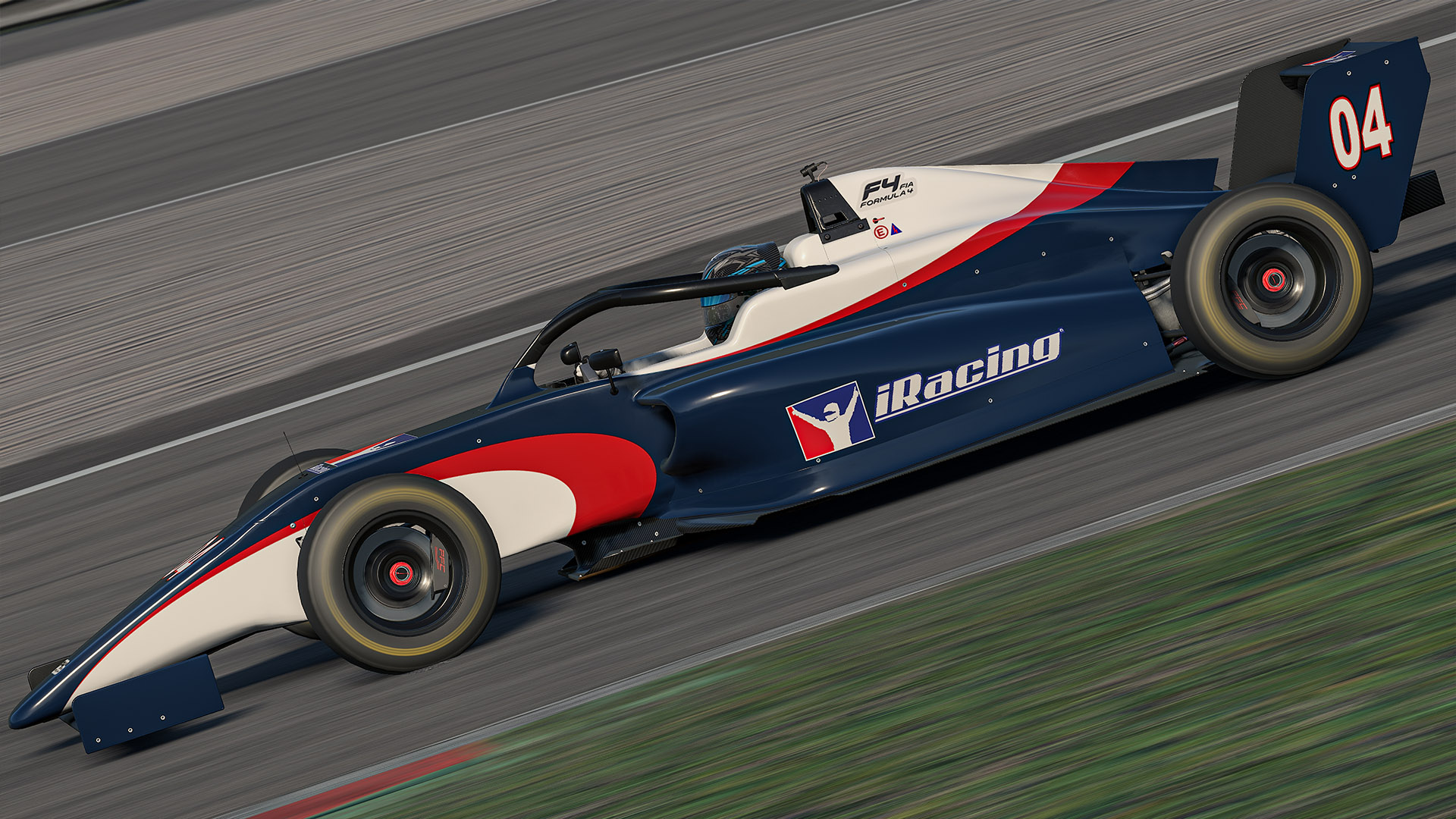
The FIA F4 Global Esports Championship Presented by MOZA continues this weekend as the series heads towards the halfway point of the 2025 season. The next two races of the year are scheduled for Saturday, November 8th. 39 top-ranked competitors from a trio of competing regions will go against one another in the four-event, eight race season, battling for their chance at winning a share of the $35,000 prize pool. Up until now, the tracks that they’ll be racing at this weekend have not yet been revealed.
During a 12-week period in 2025 iRacing Season 3, three representing regions (Americas, Asia-Pacific, and Europe) determined 10 of their best drivers through an iRacing official series points competition. Each region sends forth their top-10 eligible drivers from the final points, plus the top-three drivers from each region in last year’s competition were also invited back, which makes up the 39-driver global grid.
This official iRacing series features fixed setup racing through all eight races, and the schedule is kept locked away until the day before that particular race.
The next two races in the 2025 FIA F4 Global Esports Championship Presented by MOZA season will take place at…
SUZUKA CIRCUIT AND THE RED BULL RING!
Tune in tomorrow at 2pm ET / 19:00 GMT / 05:00 AEST
📺https://t.co/3zRHcs9p4N@fia | @moza_racing pic.twitter.com/FUdyEaXLn7
— iRacing (@iRacing) November 7, 2025
This weekend, the two tracks that the series will race on are Suzuka International Racing Course (Race #3) and the Red Bull Ring (Race #4). As planned, the remaining races on the calendar will stay hidden until the day before those races.
EVENT FORMAT
With two races on the docket, drivers will need to be ready to jump from track to track on race day. The first race event will feature 15 minutes of practice, 10 minutes of qualifying, and a 15 minute race. After a five minute break following the conclusion to the first race, the second will feature a 10-minute practice, another 10-minute qualifying session, and another 15 minute feature race.
Each winner will collect 25 points toward the championship, with points being awarded to the top-15 finishing drivers, the last of which will receive one point.
LAST RACES
In the opening round of the 2025 FIA F4 Global Esports Championship Presented by MOZA, two drivers collected their first-career victories in their first-career starts in the competition. At Zandvoort to kick off the season, the United Kingdom’s Henry Moore held off the defending series champion, the United Kingdom’s Luke McKeown for the maiden victory. The second race, at Michelin Raceway Road Atlanta, saw NASCAR-style draft racing, with tandems working together to pull away. The United Kingdom’s Dan Amor managed to push Martin Kadlečík from the Czech Republic to a solid lead before taking the top spot away on the final lap. Amor held off Kadlečík, Spain’s Alejandro Sánchez, and Monaco’s Miguel Costa to claim the victory.
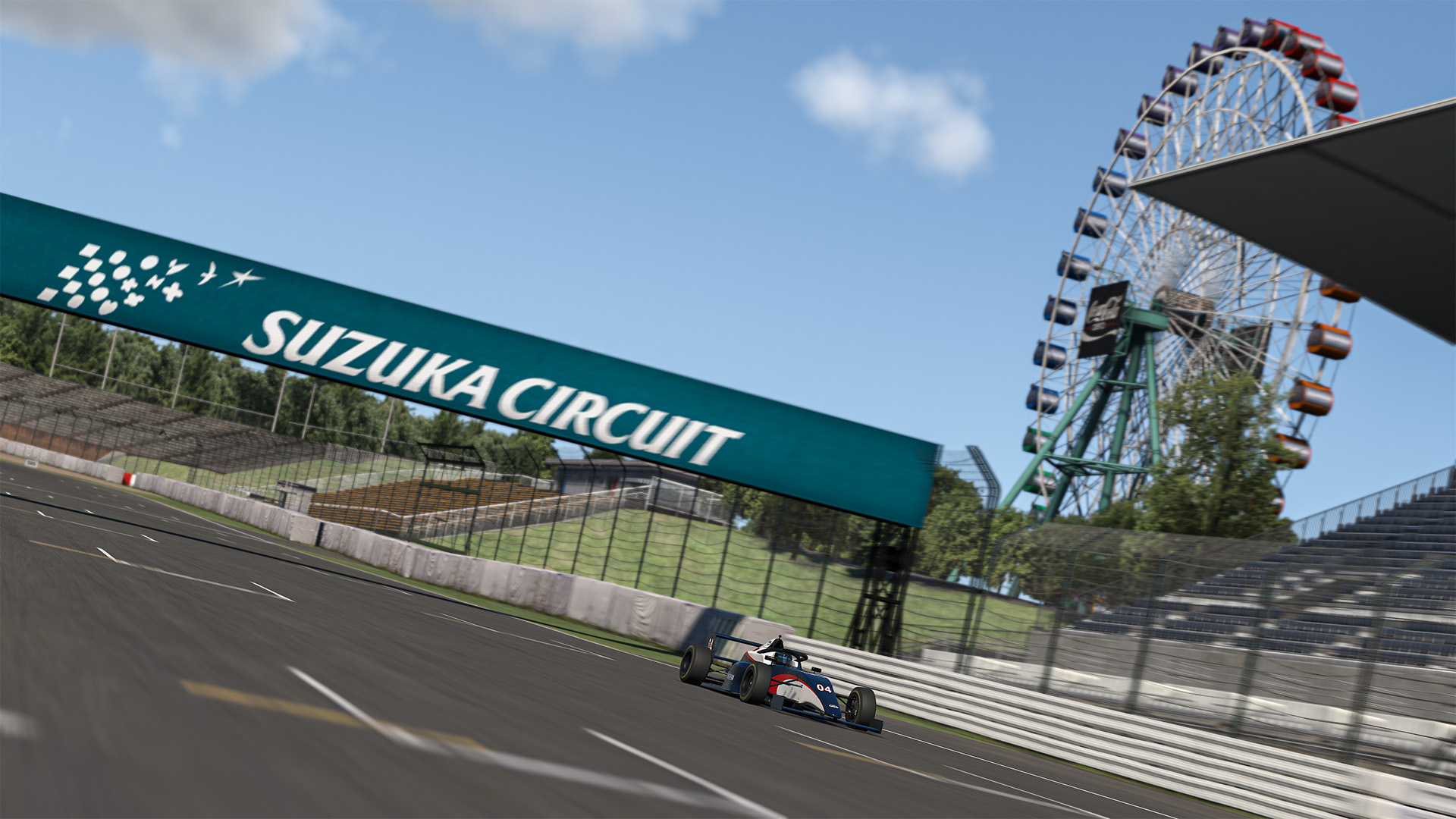
SUZUKA CIRCUIT TRACK FACTS
Suzuka has been the home of the Japanese Grand Prix since the 1980s, and its flowing layout regularly puts the circuit at or near the top of the list of most Formula 1 drivers’ favorites. As if that weren’t enough, Suzuka boasts three different configurations – Suzuka East, Suzuka West and Suzuka Full, the latter two featuring a rare figure eight layout where the back straightaway crosses the front section track on an overpass. Designed by noted circuit architect John Hugenholtz, who also designed the original Zandvoort circuit, Suzuka opened in 1962 and served primarily as a test track for Honda and as the site of sports car racing including the Suzuka 1000K and the 8 Hours of Suzuka and MotoGP motorcycle events.
Suzuka was nominated to stage the Japanese Grand Prix in 1987 and has often been the site of the Formula 1 season finale. As such, Suzuka has been the decisive event in some of the closest battles for the World Championship of Drivers and has witnessed a number of controversial incidents, including clashes between Ayrton Senna and Alain Prost. Suzuka also hosted non-championship NASCAR races in 1996 and ’97. In addition to its signature crossover layout, Suzuka features a number of notable challenges including a testing series of esses, the multi-apex Spoon Curve and dauntingly fast 130R corner. The race track also serves as the foundation for a major sports and entertainment facility including an amusement park whose giant Ferris Wheel is prominent in photographs and television images of the circuit.
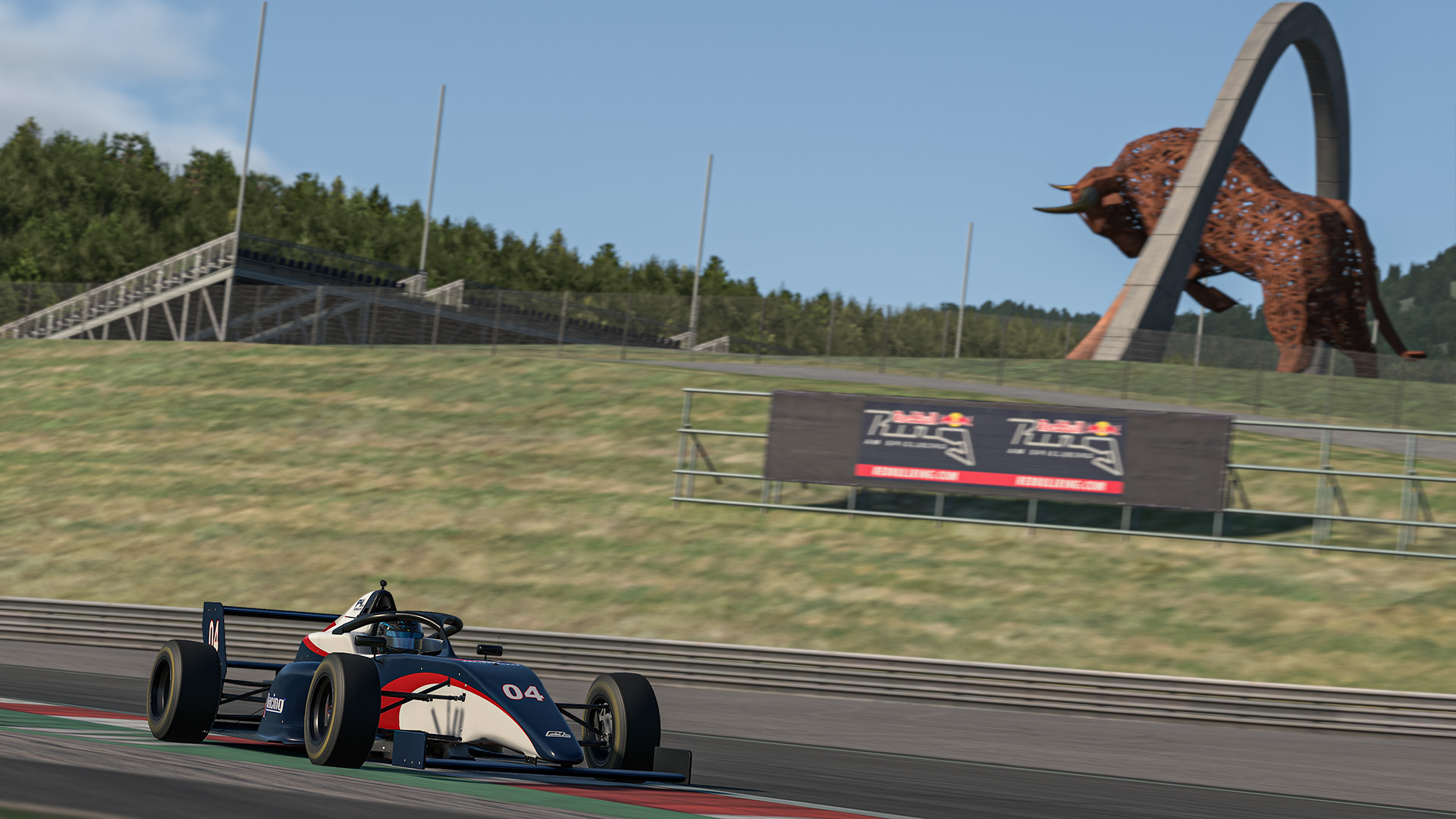
RED BULL RING TRACK FACTS
The Red Bull Ring’s origins date back to 1969, when the Österreichring opened to replace the Zeltweg Airfield as host of the Austrian Grand Prix and attempt to draw the Driver’s World Championship back to the country. That mission was successful just one year later, and the event became a staple of the series until 1987. The track was completely rebuilt in the mid-1990s and rechristened the A1-Ring, which enabled it to return to the circuit from 1997 to 2003.
After a period of uncertainty that followed the demolition of the grandstands and pit buildings in 2004, circuit owner Red Bull began its reconstruction of the track in late 2008 and gradually added both modern and vintage events over the years, culminating in the return of the Austrian Grand Prix in 2014. In 2020, with the COVID-19 forcing a rework of the schedule, the Red Bull Ring became the first circuit to ever host back-to-back rounds to open a Formula 1 season, as well as the first European venue to host the opening round of the season since 1966.
HOW TO WATCH
Every round of the 2025 FIA F4 Global Esports Championship Presented by MOZA will be broadcasted on all of iRacing’s official channels.
Coverage starts at 2:00 pm ET / 19:00 GMT / 05:00 AEST.
For more information on the FIA F4 Global Esports Championship, visit www.iracing.com/fia-f4-esports/.
To learn more about the partnership between iRacing and the FIA, visit www.FIA.com/iracing.
For more information about MOZA Racing, visit www.mozaracing.com.
For more information about iRacing and for special offers, visit www.iracing.com.

You may also like...


OFFICIAL PARTNERS:









Customize Cookie Settings
Performance Cookies
These cookies gather data on how visitors use this website – which pages are visited most often, for example.
Functional Cookies
These cookies remember website preferences and generally improve the performance of the site for the user.
Marketing Cookies
These cookies are used to provide a customized experience and can be used to provide targeted ads through advertising networks.

Enhance Your Experience with Cookies
We use cookies to improve your site experience. Customize your cookie preferences below.
Copyright © 2026 iRacing.com Motorsport Simulations, LLC. All Rights Reserved.